Colon Cancer
Tumors located in the different segments of the colon: ascending, transverse, descending, and sigmoid.

At Quenet-Torrent Institute, we treat colon and rectal cancer with precision oncological surgery, minimally invasive techniques, and a multidisciplinary approach that maximizes cure options.
CONTACT SPECIALISTNeed to speak with a specialist?
Colorectal tumors include cancers affecting the colon and rectum. Colorectal cancer is the third most common cancer worldwide and the second leading cause of cancer death.
Most colorectal cancers develop from adenomatous polyps through a well-established sequence over several years. This characteristic makes screening programs particularly effective in preventing this cancer.
Surgery is the main treatment for localized colorectal cancer. With proper treatment, survival rates are very high in early stages.
Our unit addresses the main oncological pathologies of the colon and rectum.
Tumors located in the different segments of the colon: ascending, transverse, descending, and sigmoid.
Tumors located in the last 15 cm of the large intestine, with specific surgical considerations.
Complex cases requiring multivisceral resections or neoadjuvant treatment.
Peritoneal spread treatable with cytoreductive surgery and HIPEC in selected cases.
Requesting a second opinion can provide security and clarity about the best approach.
Confirm whether the proposed surgery is the most appropriate for your case.
Evaluate whether sphincter-sparing surgery is possible in rectal cancer.
Assess whether the surgery can be performed minimally invasively.
Consider options like HIPEC for peritoneal carcinomatosis or liver metastases.
A second opinion can confirm or reframe the initial strategy, always for the patient's benefit.
Quenet-Torrent Institute offers a comprehensive approach, with teams specialized in colorectal tumors of all complexities.
We specialize in treating advanced and metastatic cancer, using complex and innovative techniques that other teams don't offer.
We form a team around you with surgeons, oncologists, radiologists, nutritionists, and psychologists, all working together for your cure.
We stay up-to-date with the latest scientific advances, allowing us to apply innovative treatments with better results.
We have facilities equipped with the most advanced medical technology, allowing us to perform high-precision procedures with less impact on the body.
We care about each patient as a person. We listen, support, and guide at every step of the way.
Every physician at Quenet-Torrent Institute is a recognized expert in their field, committed to each patient's well-being.
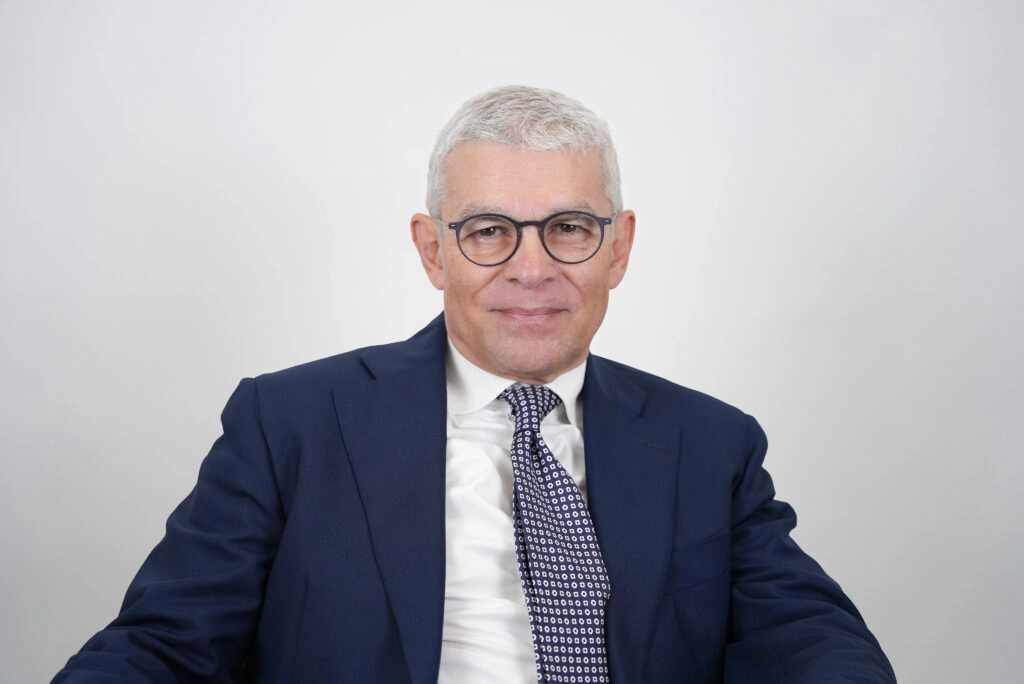
Oncological Surgeon
View doctor"Internationally renowned surgeon, expert in gastrointestinal and hepatobiliary tumors. Recognized for his precision in highly difficult surgeries."
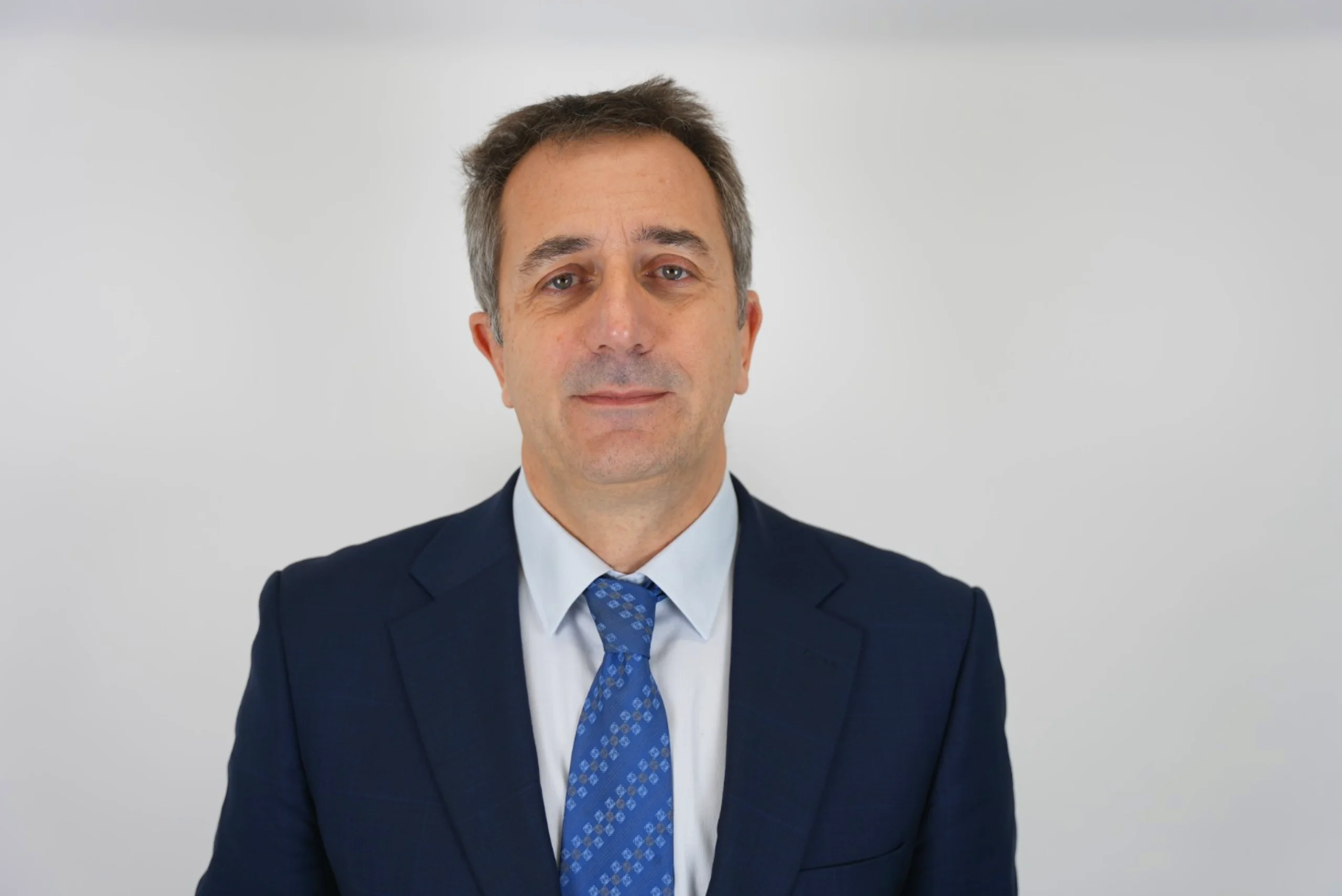
Oncological Surgeon
View doctor"Specialist in gynecological tumors and peritoneal carcinomatosis. A reference in complex and personalized oncological surgery."
Answers to the most common questions about diagnosis, treatment, and prognosis.
Yes, especially in early stages. With proper surgery, 5-year survival exceeds 90% in stage I.
Yes, most colorectal surgeries can be performed minimally invasively with equivalent oncological outcomes.
No. Most surgeries can be performed with primary anastomosis. Sometimes temporary stomas are needed.
Hospitalization is usually 5-7 days with laparoscopy and complete recovery in 4-6 weeks.
It's always recommended, especially for complex cases or when there are doubts about the proposed approach.
In specialized centers with experience in colorectal oncological surgery, like Quenet-Torrent Institute.
Complete the form and schedule your appointment to speak directly with the surgeon.