Confirm sphincter preservation possibility
Confirm whether sphincter-sparing surgery is possible.

At Quenet-Torrent Institute, we treat rectal cancer with precision surgery, sphincter-sparing techniques, and a multidisciplinary approach that combines oncological excellence with quality of life preservation.
CONTACT SPECIALISTNeed to speak with a specialist?
Rectal cancer is a malignant tumor originating in the last 15 centimeters of the large intestine. Its location near the sphincters and proximity to other pelvic structures makes its surgical treatment especially complex.
Risk factors are similar to colon cancer: age, family history, inflammatory bowel disease, and lifestyle factors. The most common symptoms are rectal bleeding, changes in bowel habits, tenesmus, and mucus in stool.
Treatment of rectal cancer requires a multidisciplinary approach. Depending on the stage, it may include neoadjuvant radiochemotherapy, surgery, and adjuvant chemotherapy.
Requesting a second opinion is especially important in rectal cancer due to the surgical implications.
Confirm whether sphincter-sparing surgery is possible.
Evaluate response to radiochemotherapy and surgical options.
In complete responses, consider active surveillance without immediate surgery.
Assess indication for transanal surgery in low tumors.
A second opinion can make the difference between having a permanent stoma or preserving sphincters.
Surgical treatment is individualized based on tumor location and stage.
Gold standard surgical technique that removes the rectum with its mesorectum intact.
Resection preserving sphincters with colorectal or coloanal anastomosis.
For tumors very close to the sphincters where preservation is not possible.
Transanal total mesorectal excision for low tumors.
The goal is achieving oncological cure with maximum quality of life preservation.
Advanced technology enables more precise surgeries with better functional outcomes.
Minimally invasive approach with excellent pelvic visualization.
Greater precision in the confined pelvic space.
Transanal approach for better visualization of low tumors.
Precise staging to plan the best treatment.
Evaluation of anastomotic perfusion to reduce leaks.
Quenet-Torrent Institute offers a comprehensive approach, with teams specialized in complex rectal surgery.
We specialize in treating advanced and metastatic cancer, using complex and innovative techniques that other teams don't offer.
We form a team around you with surgeons, oncologists, radiologists, nutritionists, and psychologists, all working together for your cure.
We stay up-to-date with the latest scientific advances, allowing us to apply innovative treatments with better results.
We have facilities equipped with the most advanced medical technology, allowing us to perform high-precision procedures with less impact on the body.
We care about each patient as a person. We listen, support, and guide at every step of the way.
Every physician at Quenet-Torrent Institute is a recognized expert in their field, committed to each patient's well-being.
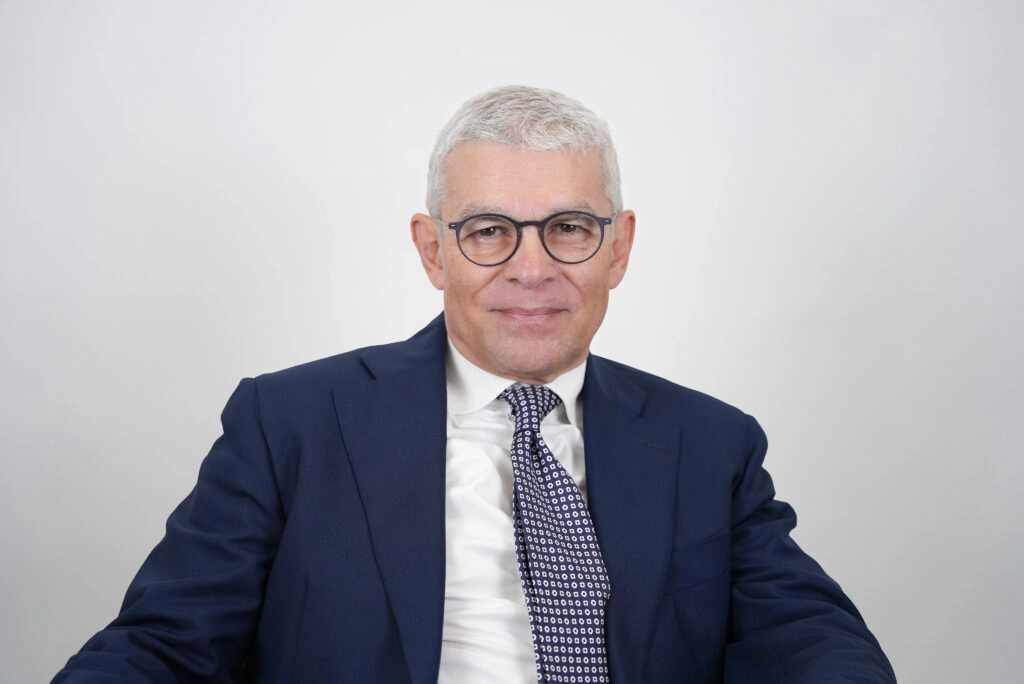
Oncological Surgeon
View doctor"Internationally renowned surgeon, expert in gastrointestinal and hepatobiliary tumors. Recognized for his precision in highly difficult surgeries."
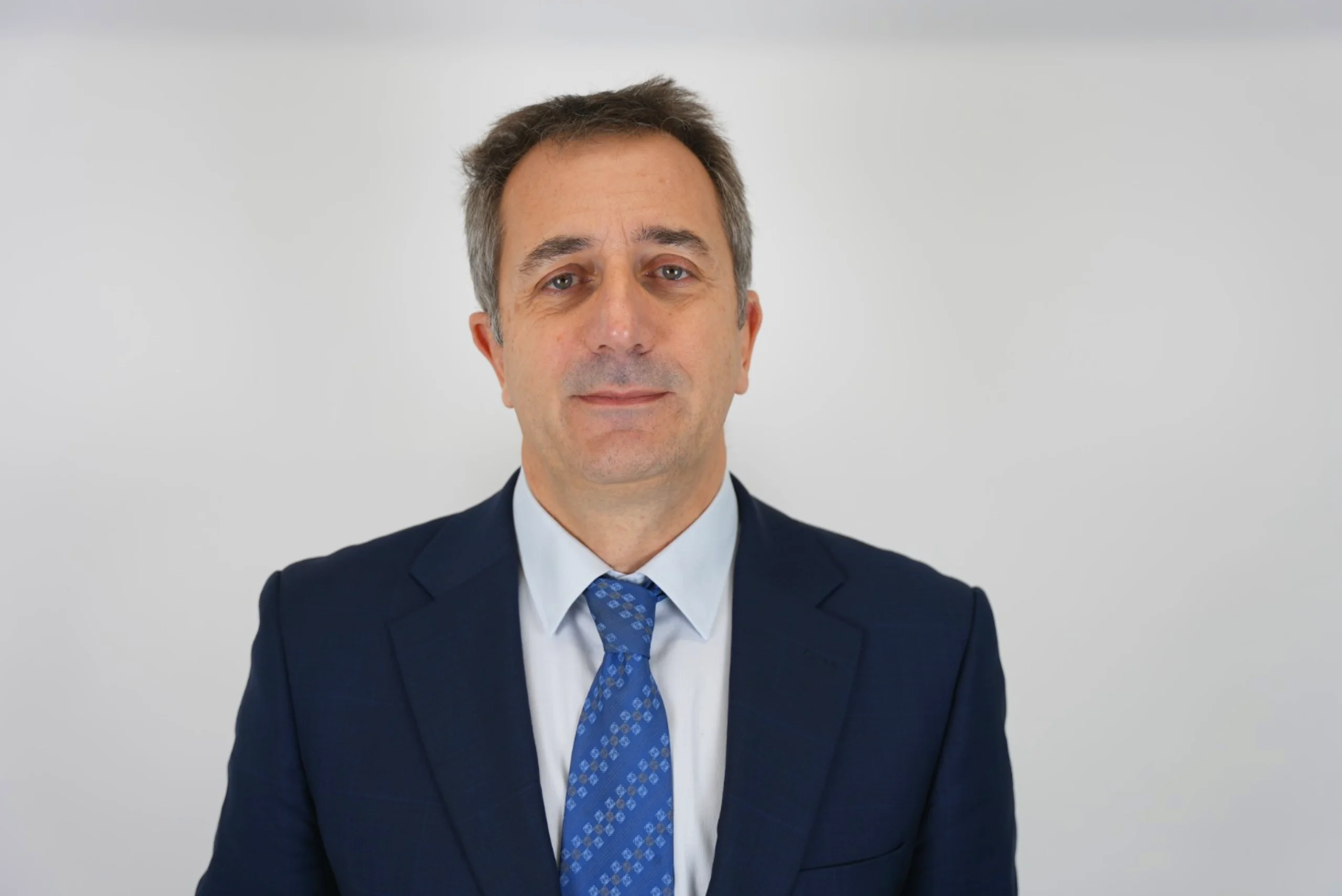
Oncological Surgeon
View doctor"Specialist in gynecological tumors and peritoneal carcinomatosis. A reference in complex and personalized oncological surgery."
Answers to the most common questions about diagnosis, treatment, and prognosis.
Yes, especially with proper multimodal treatment. Quality of surgery is key.
Not necessarily. With modern techniques, most patients preserve sphincter function.
Active surveillance strategy in patients with complete response to radiochemotherapy, avoiding immediate surgery.
Radiochemotherapy before surgery can reduce the tumor, facilitate resection, and improve local control.
Hospitalization is usually 5-10 days and complete recovery in 6-8 weeks.
In specialized centers with experience in rectal oncological surgery, like Quenet-Torrent Institute.
Complete the form and schedule your appointment to speak directly with the surgeon.