Confirm resectability
Confirm whether it is a potentially resectable case.

At Quenet-Torrent Institute, we have a highly specialized unit for treating ovarian cancer, one of the most complex gynecological tumors. Our approach combines complete cytoreductive surgery, with or without HIPEC, advanced surgical technology, and multidisciplinary planning.
CONTACT SPECIALISTNeed to speak with a specialist?
Dr. François Quenet explains the most advanced surgical techniques for treating ovarian cancer, including cytoreductive surgery and HIPEC.
Ovarian cancer is a malignant neoplasm that originates in the ovarian cells. It is the gynecological tumor with the highest mortality because in most cases it is diagnosed when peritoneal dissemination already exists. There are different histological subtypes, with high-grade serous carcinoma being the most common.
The main risk factors are age over 50, family history, BRCA1/BRCA2 mutations, endometriosis, and early menarche or late menopause. Symptoms, although nonspecific, include abdominal distension, loss of appetite, pelvic discomfort, intestinal changes, and frequent urination.
Early detection improves prognosis, but it is usually diagnosed in advanced stages, where cytoreductive surgery is key for survival and quality of life.
Requesting a surgical second opinion is a prudent decision when dealing with a high-impact disease like ovarian cancer.
Confirm whether it is a potentially resectable case.
Assess the viability of HIPEC or other advanced surgical techniques that can increase survival.
Compare the initial approach with that of a reference center in gynecological carcinomatosis.
Establish an individualized plan when seeking to preserve fertility or minimize functional sequelae.
Many cases that arrive with limited prognoses can benefit from a complete reevaluation in a multidisciplinary surgical environment.
Surgical treatment is the cornerstone of the therapeutic strategy for ovarian cancer. The goal of surgery is complete cytoreduction, meaning removing all visible disease.
For patients with good status and resectable tumor; includes excisions and resections according to extent.
Performed after chemotherapy in initially unresectable cases, after significant response.
For peritoneal involvement; combines surgery with heated chemotherapy in the abdomen.
In advanced or recurrent cases with involvement of multiple organs.
Each intervention is performed under strict international oncological criteria and with the participation of a committee of specialists.
In highly complex clinical scenarios, technology enhances the quality of surgical outcomes.
Thermal and flow control for precise perfusion.
In highly selected cases for greater precision.
Less invasive approach, with less bleeding and better recovery.
Operating room equipped with advanced medical imaging technology (CT).
CT, PET, MRI improve candidate selection and surgical planning.
Quenet-Torrent is not just a place where you receive medical care, it's a place where we help you face one of life's most difficult challenges with confidence and hope.
We specialize in treating advanced and metastatic cancer, using complex and innovative techniques that other teams don't offer.
We form a team around you with surgeons, oncologists, radiologists, nutritionists, and psychologists, all working together for your healing.
We stay up-to-date with the latest scientific advances, allowing us to apply innovative treatments with better results.
We have facilities equipped with the most advanced medical technology, allowing us to perform high-precision procedures with less impact on the body.
We care about each patient as a person. We listen, support, and guide at every step of the way.
Every doctor at Quenet-Torrent Institute is a recognized expert in their field, committed to the well-being of each patient.

Oncological Surgeon
View doctor"Internationally renowned surgeon, expert in gastrointestinal and hepatobiliary tumors. Recognized for his precision in highly difficult surgeries."
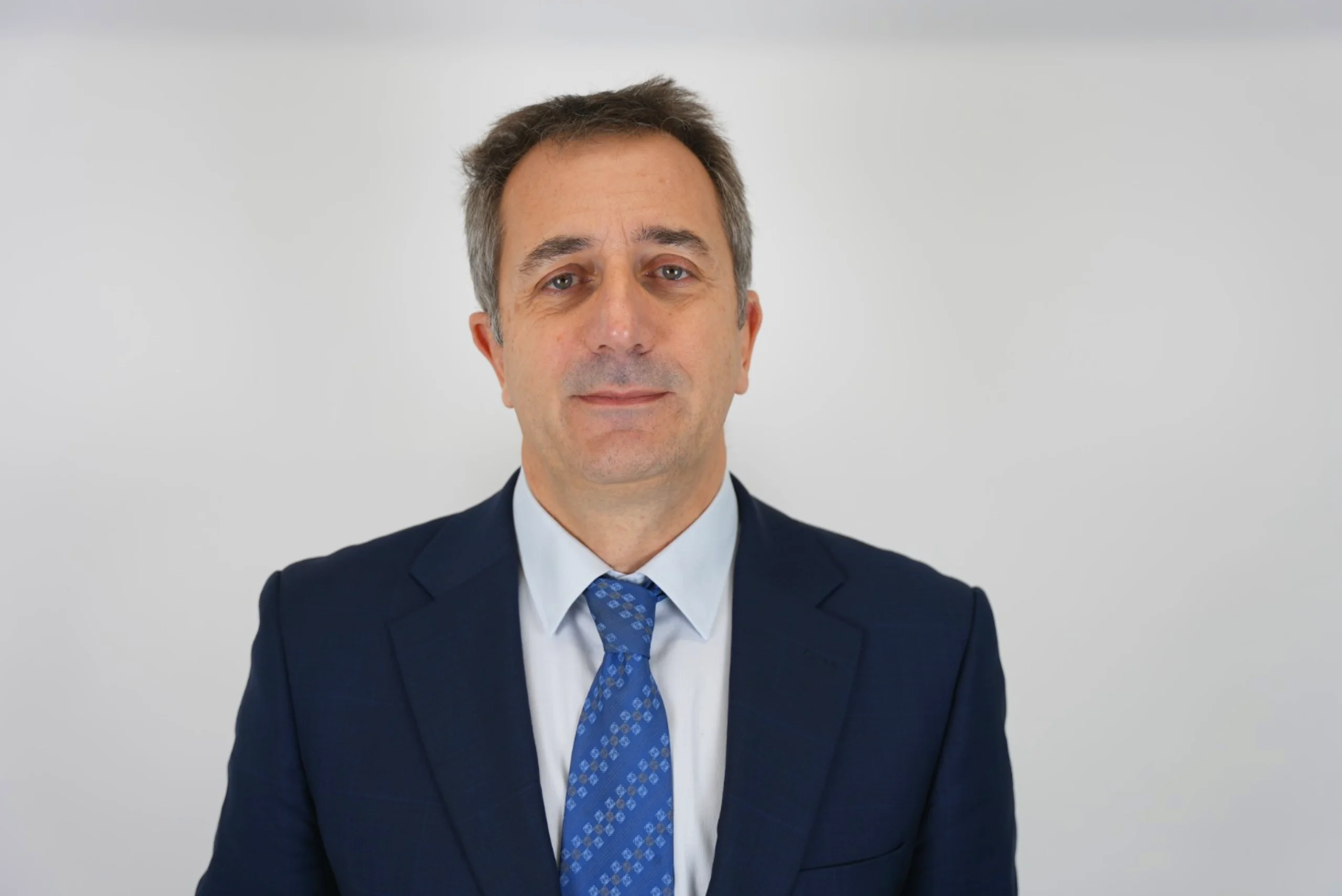
Oncological Surgeon
View doctor"Specialist in gynecological tumors and peritoneal carcinomatosis. He is a reference in complex and personalized oncological surgery."
Answers to the most common questions about diagnosis, treatment, and prognosis.
Yes, especially if complete cytoreduction is achieved.
In many cases, yes. Interval surgery after neoadjuvant chemotherapy can be very effective.
It is hyperthermic intraperitoneal chemotherapy, applied during surgery in cases of peritoneal disease.
In highly selected cases of very early stages and low grade, conservative surgery may be considered.
Like any major surgery, there are risks, but in specialized centers they are significantly minimized.
Hospitalization is usually 7-14 days and complete recovery 2-3 months.
In selected cases, rescue surgery or secondary cytoreduction may be considered.
In highly selected cases of early stages or for specific procedures.
It is always recommended in complex cases to confirm the best therapeutic strategy.
In specialized centers with proven experience in gynecological oncological surgery, such as Quenet-Torrent Institute.
Complete the form and schedule your appointment to speak directly with the surgeon.