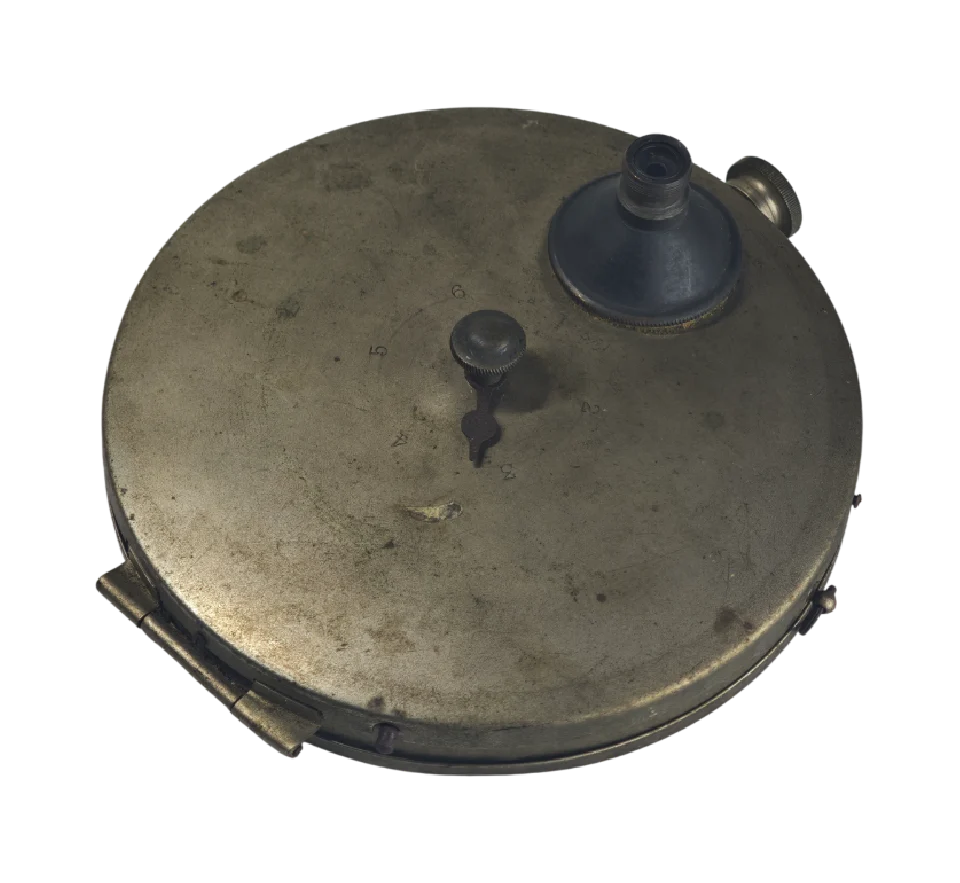
1886/1900
Espía · Alemania
Cámara Espía Stirn (XIX)
Cámara espía Stirn del siglo XIX, camuflada en chaqueta, en la colección de Pol
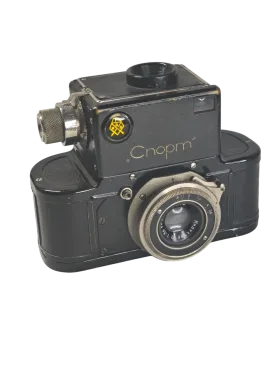 Classic SLRs
Mirror and prism. Canon AE-1, Nikon FE, Olympus OM, Pentax K1000 and the historic GOMZ Sport.
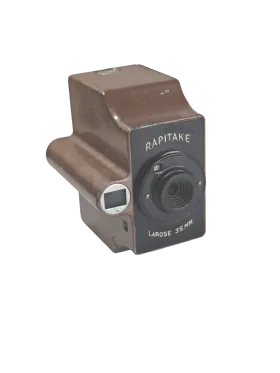 Compacts (point & shoot)
One body, fixed lens. From classic manuals to the Contax T3 and the Nikon Ti.
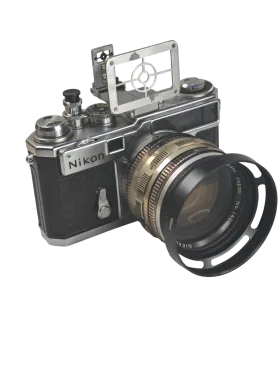 Rangefinders
Focusing by optical triangulation. Leica M, Yashica Electro, Zorki, Nikon SP.
 Accessories & oddities
Glass plates, Hasselblad medium format, Minox spy subminiatures, film.
Old does not mean rare, and that is the most expensive confusion in collecting. What actually makes a piece valuable, plus the pre-1960s cameras catalogued here.
The oldest pieces in the collection, predating the 1960s, ordered by decade.
The individual pages for each camera are written in Spanish.
Cámara espía Stirn del siglo XIX, camuflada en chaqueta, en la colección de Pol
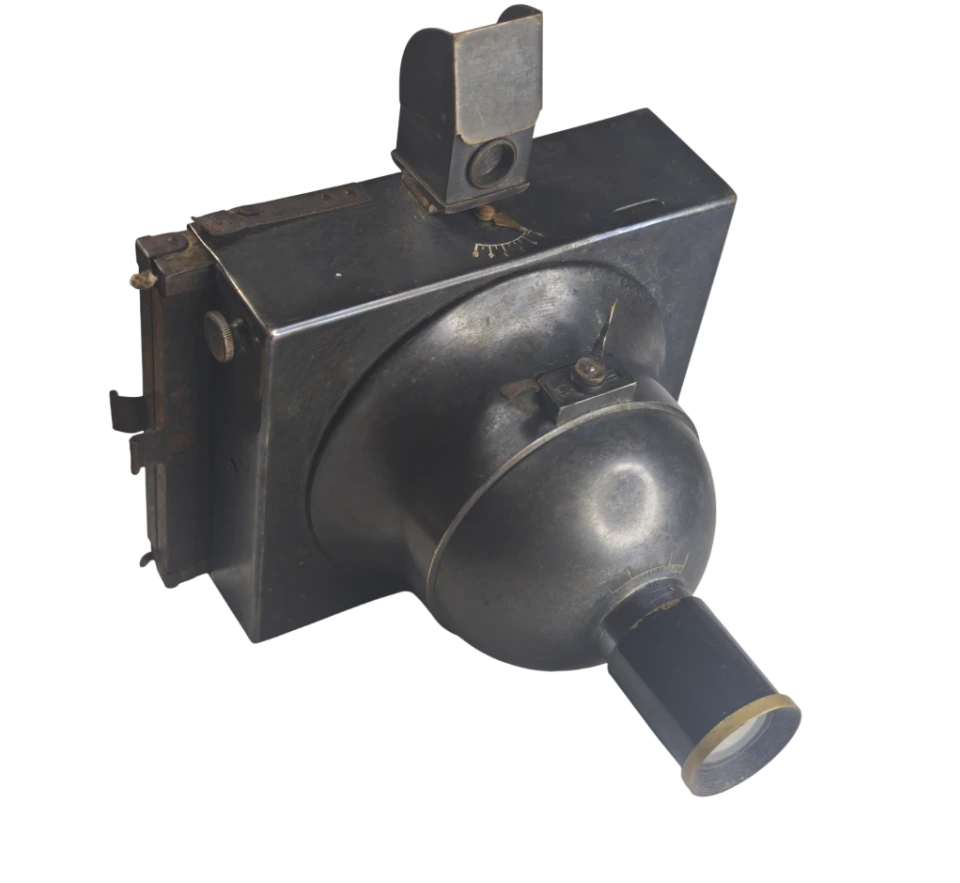
Photosphere (1888), la cámara esférica más antigua de la colección de Pol
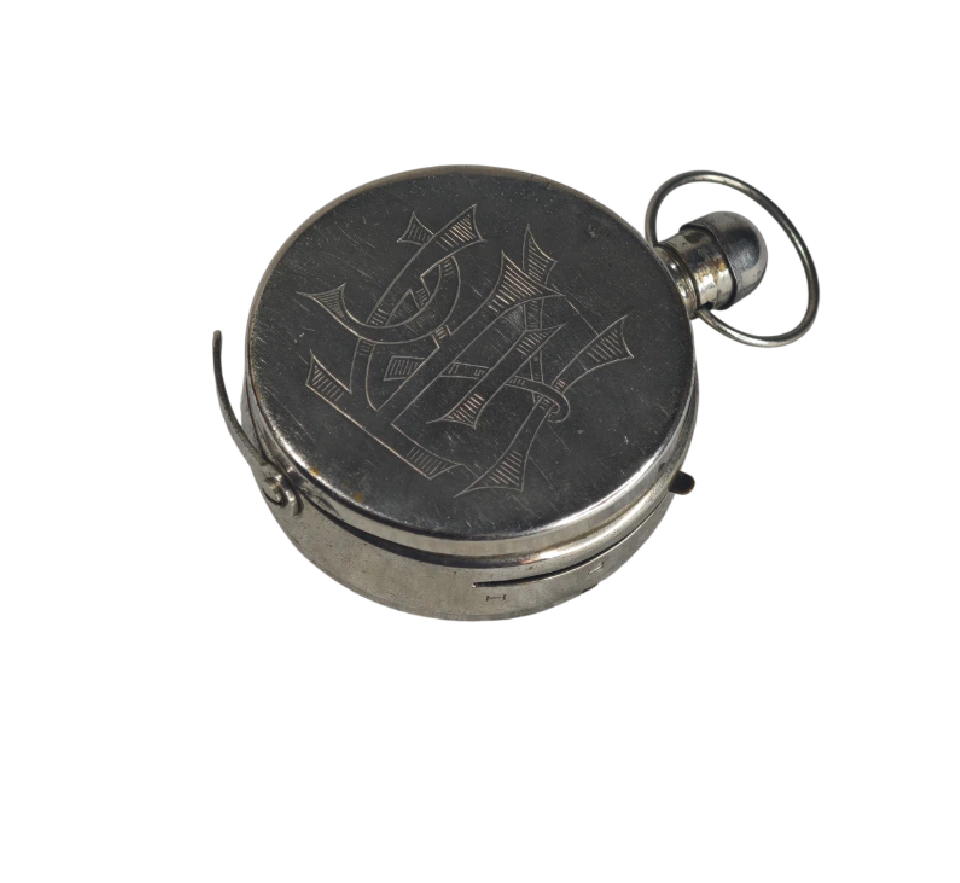
Ticka (1905), la cámara disfrazada de reloj de bolsillo en la colección de Pol
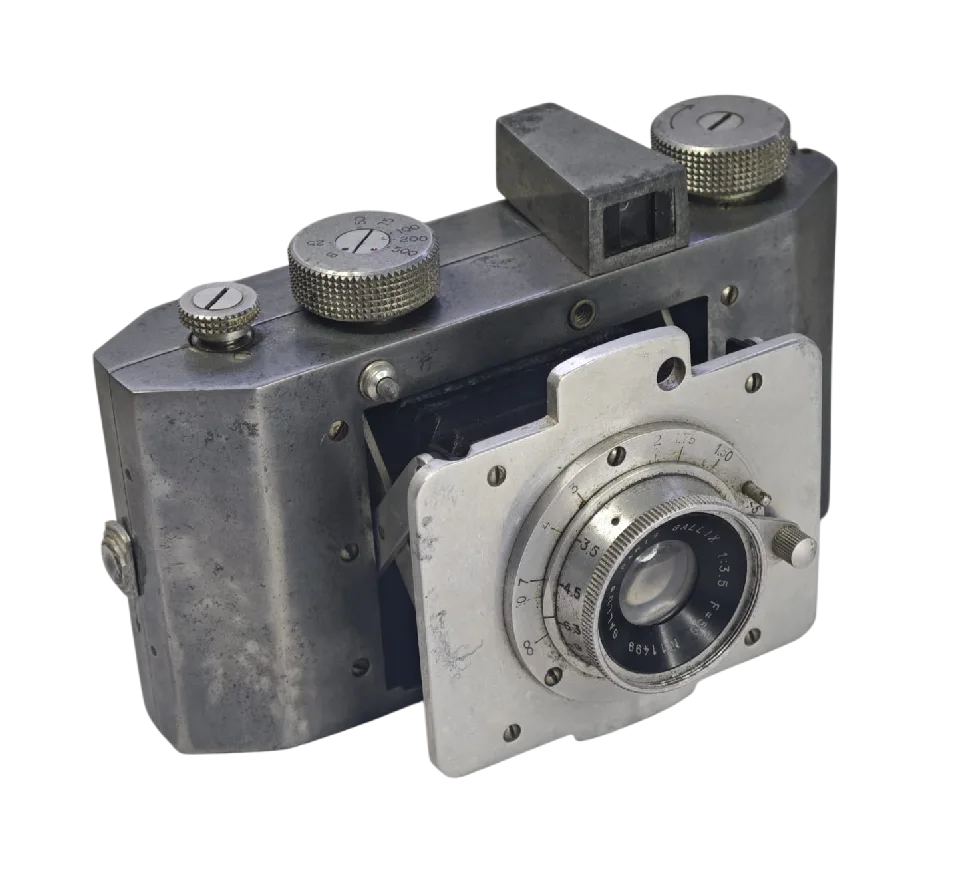
Gallus, cámara francesa fabricada en París entre los años 20 y los 50
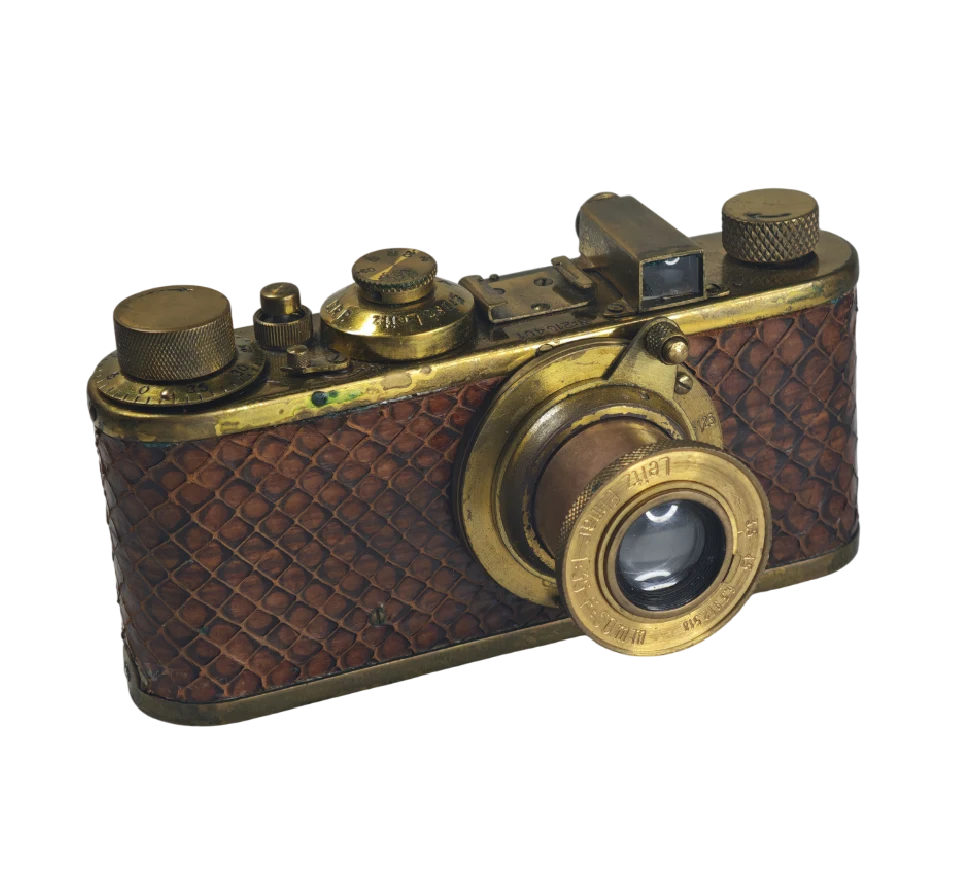
Copia Leica FED 1, primera copia soviética de la Leica, en la colección de Pol
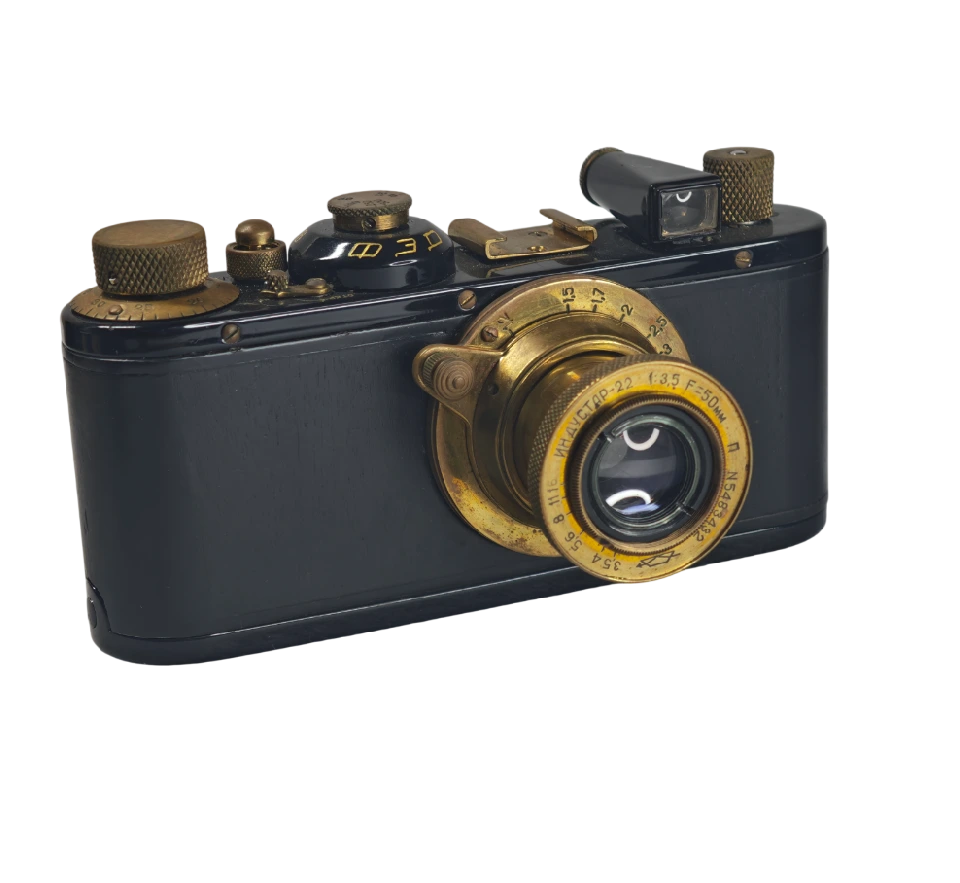
FED 1, primera copia soviética de la Leica en la colección de Pol
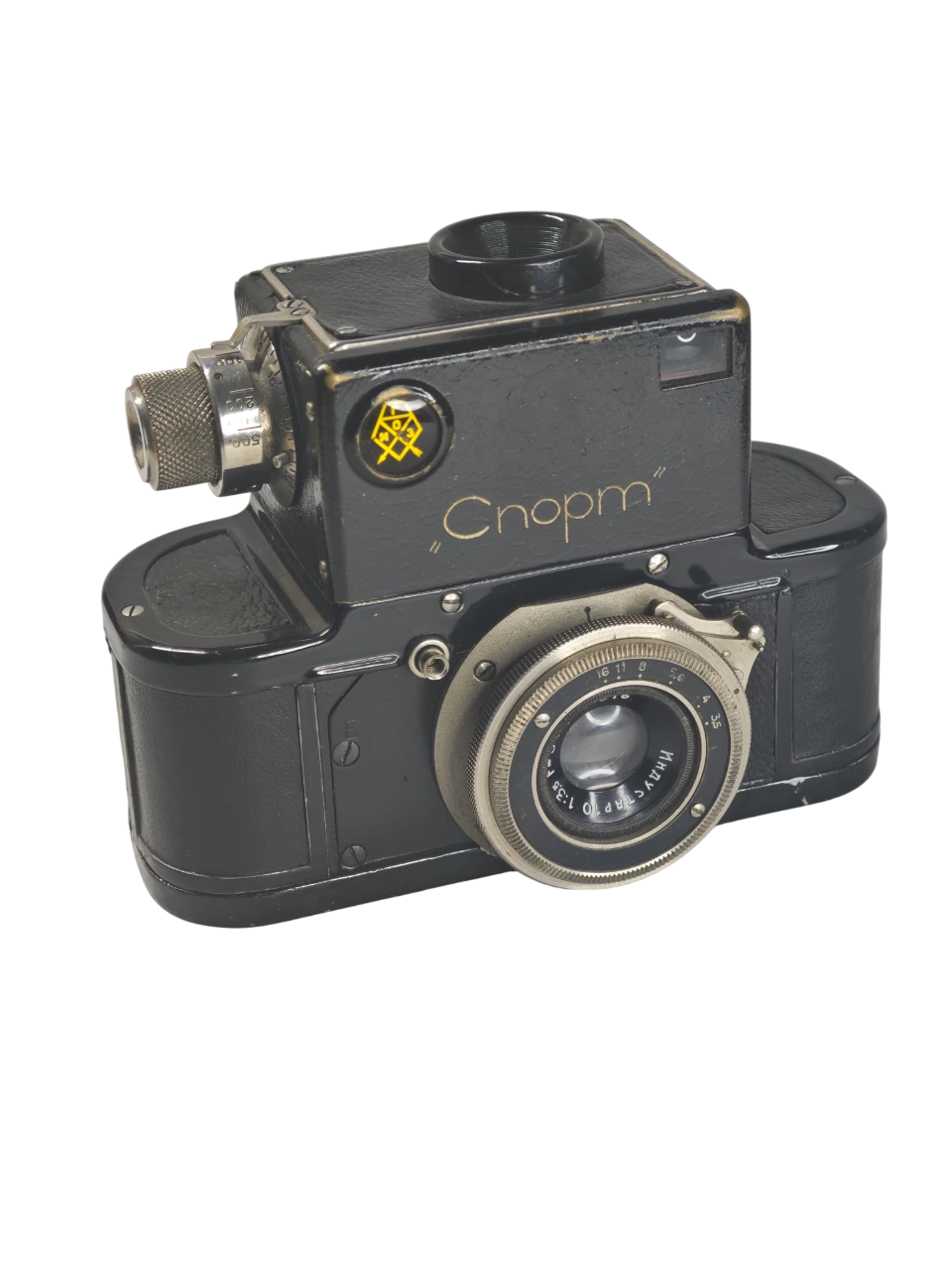
GOMZ Sport (1937), la primera cámara réflex del mundo, en la colección de Pol
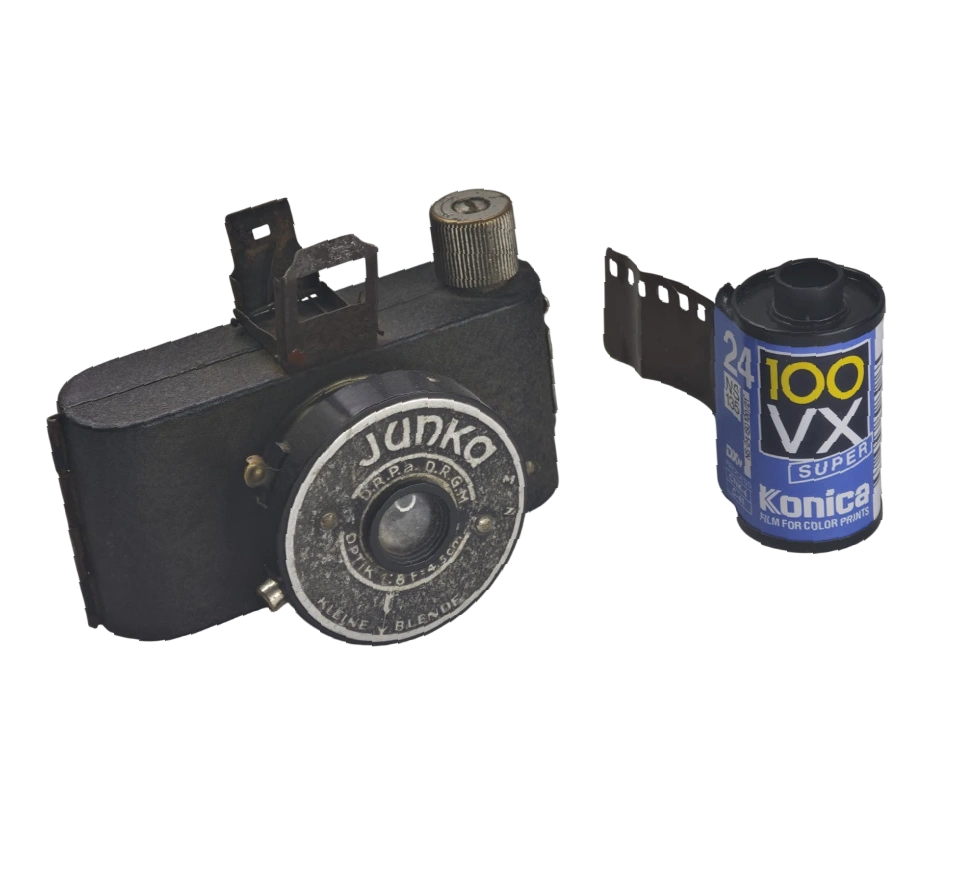
Junka, cámara alemana de baquelita Art Déco de entreguerras, Junka-Werk Núremberg 1937
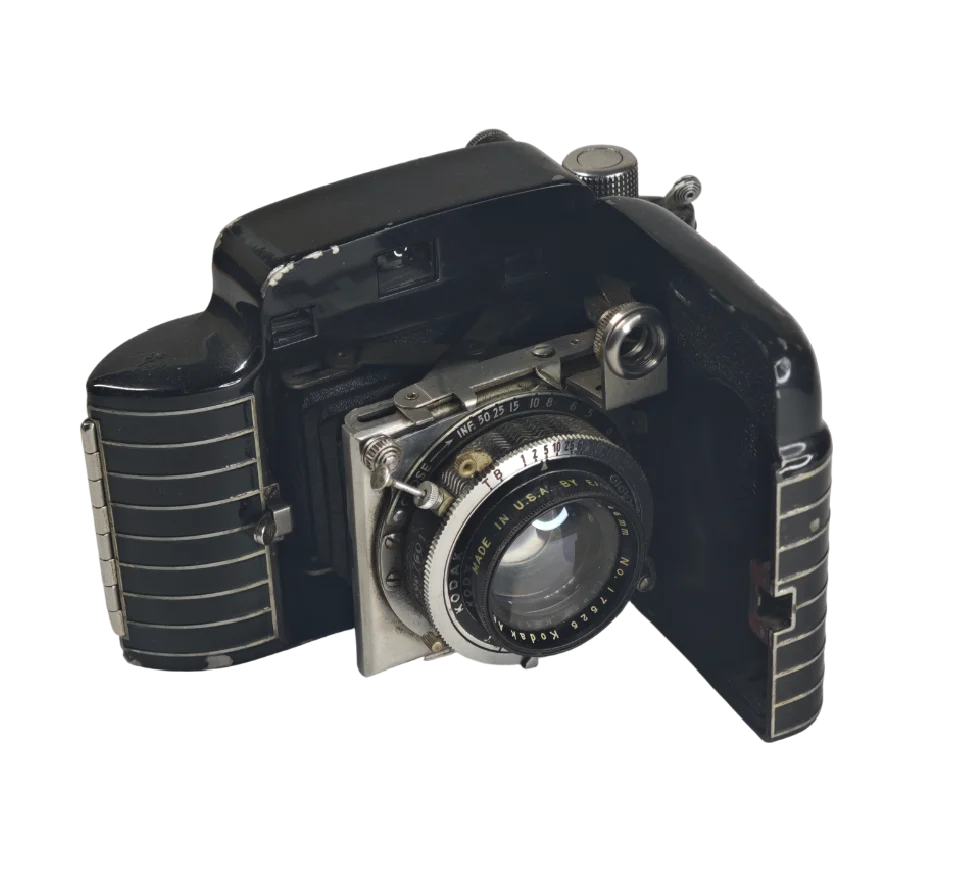
Kodak Bantam Special (1936), diseño Art Déco, en la colección de Pol
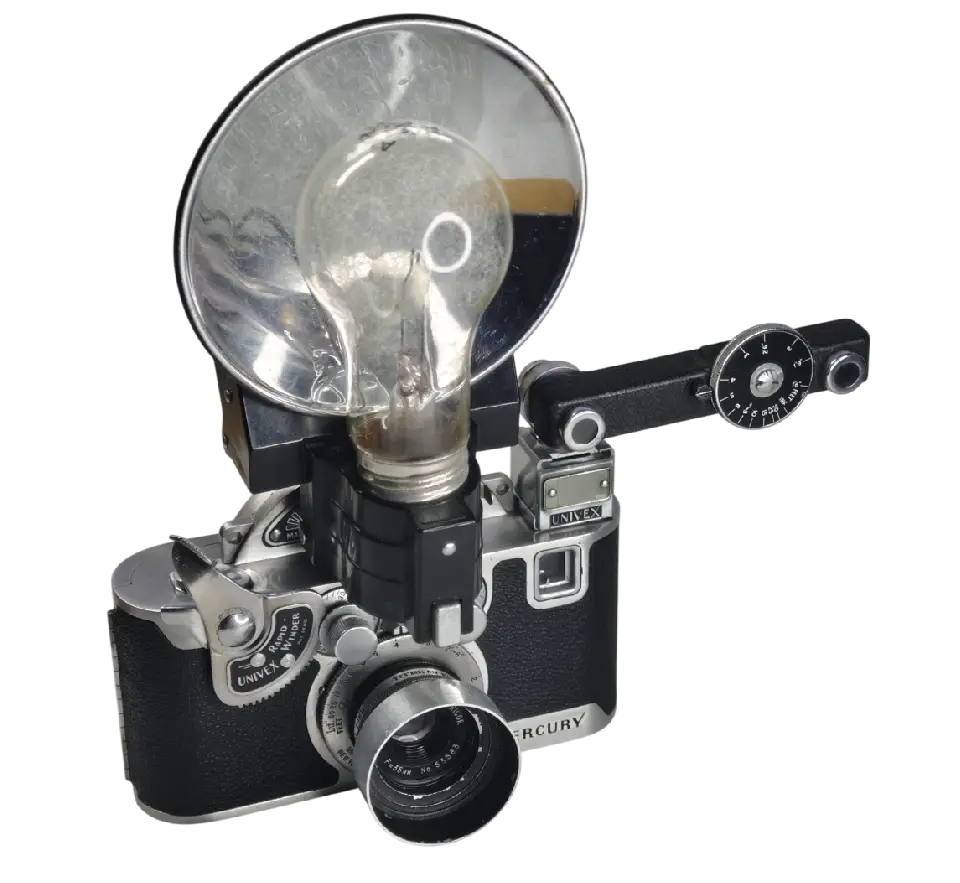
Mercury I, UniveX Mercury Model CC (1938)
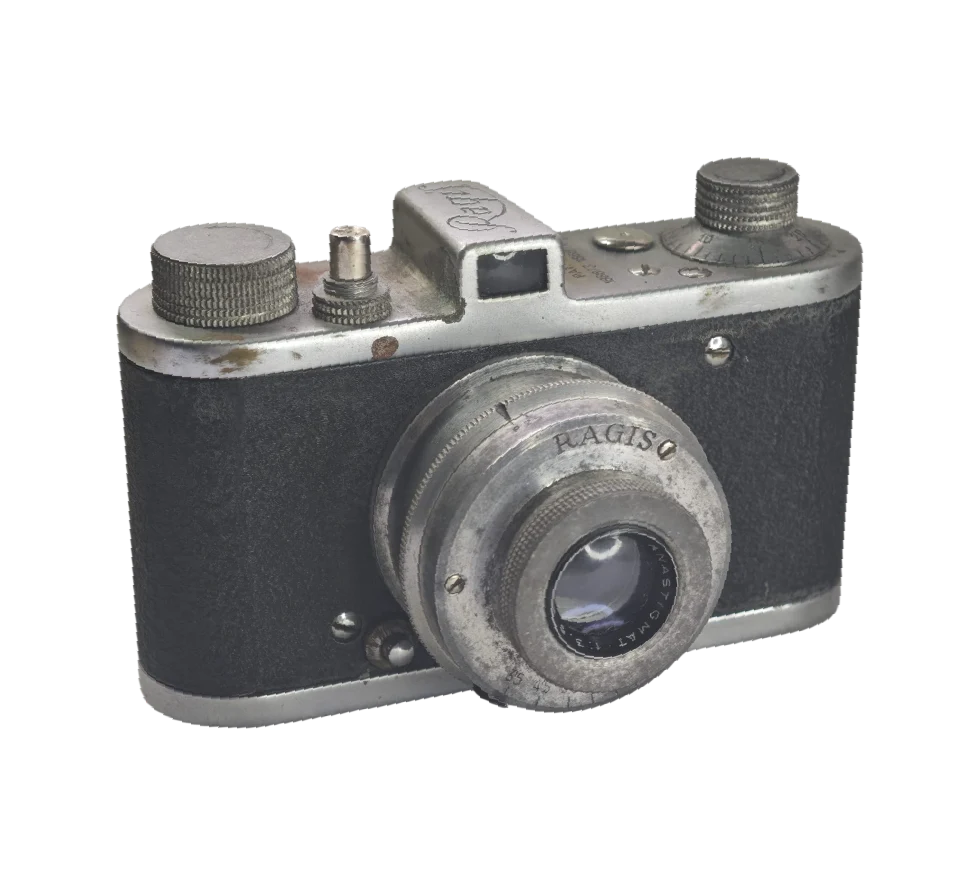
Ragis, La Leica de Barcelona, cámara telemétrica española fabricada por Regis c. 1947
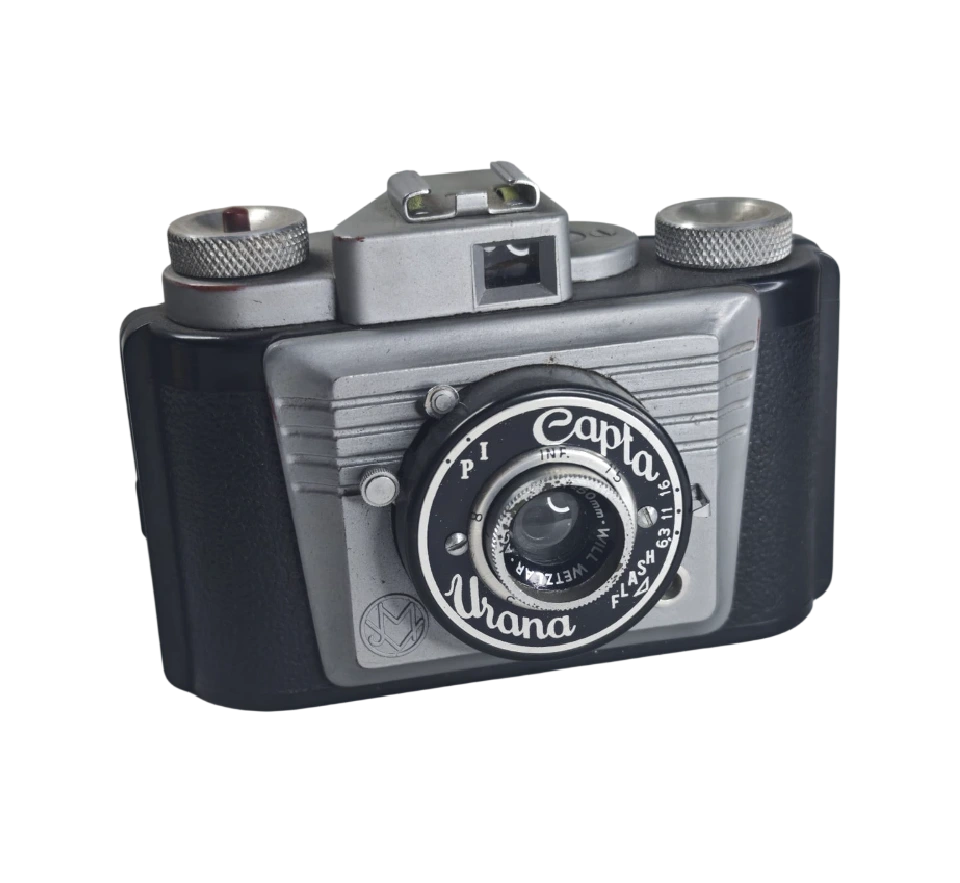
Capta Urana, cámara de baquelita fabricada por Industrias Matutano S.L. en Valencia, años 40-50
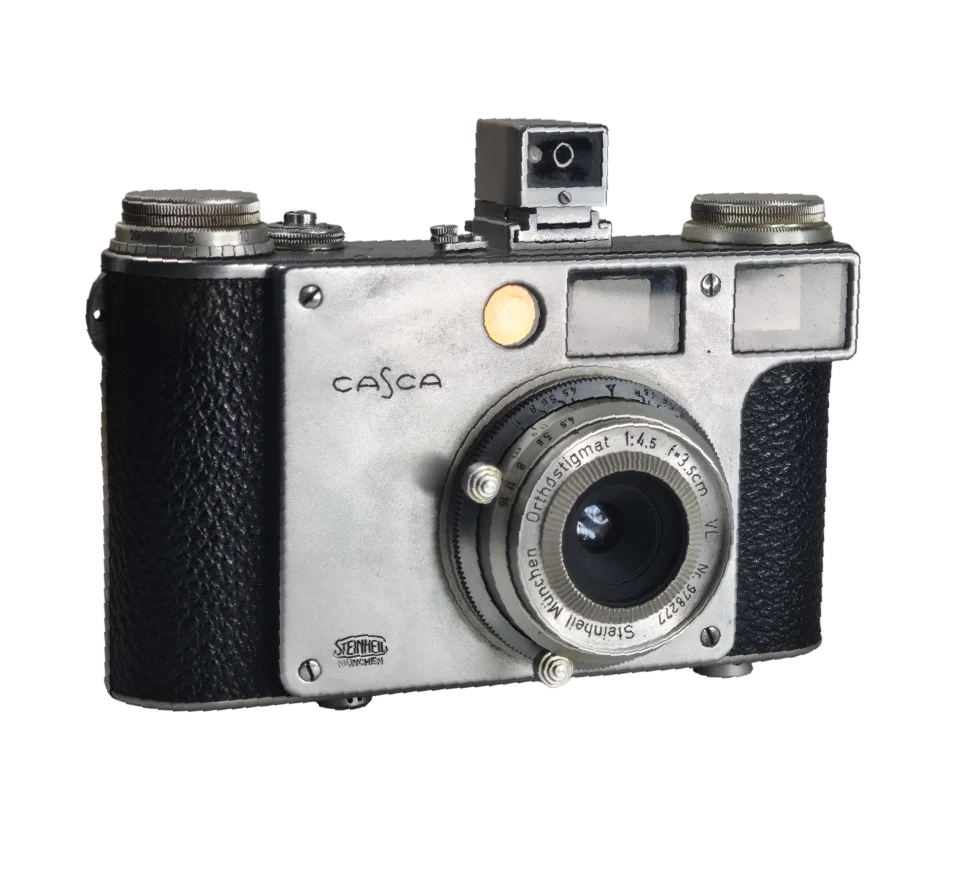
Steinheil Casca II, telemétrica alemana de 1949 en la colección de Pol
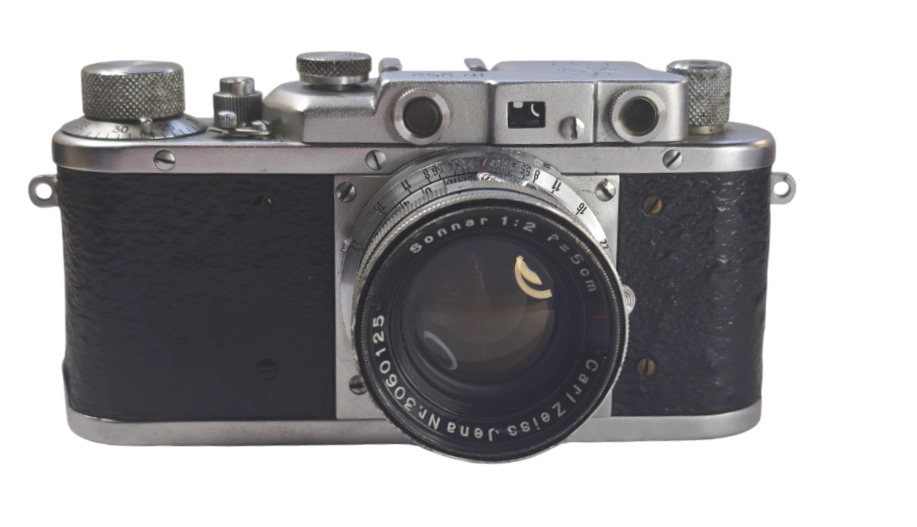
Frontal
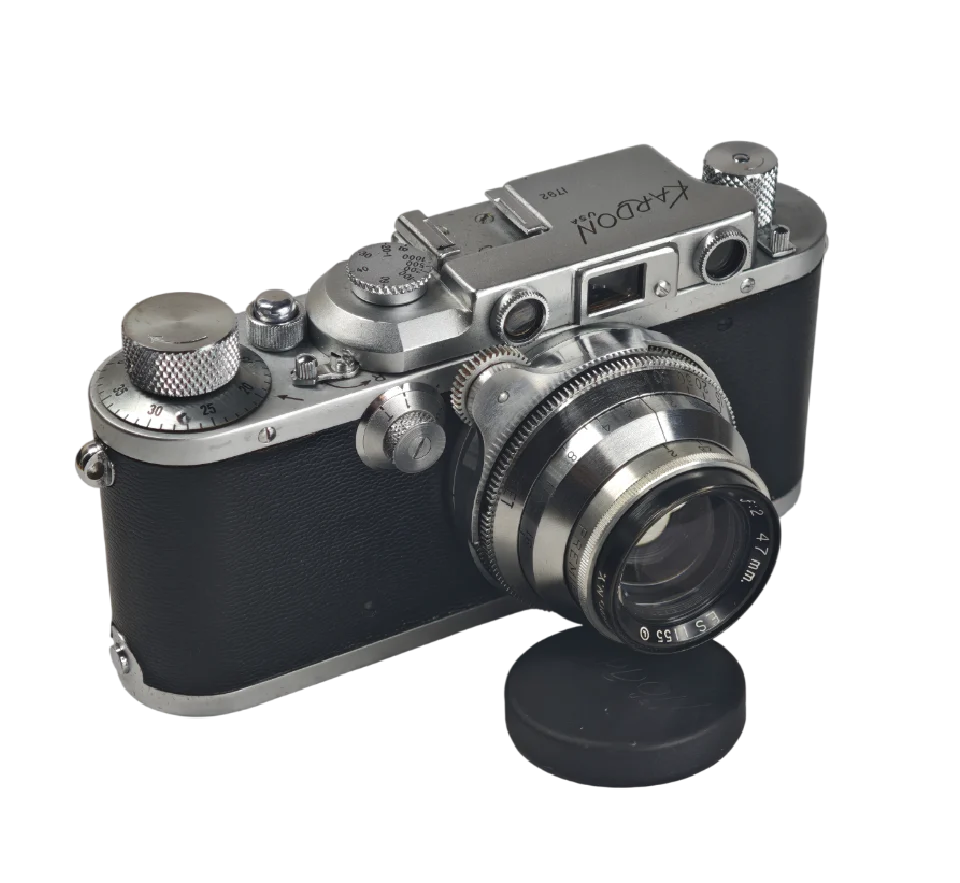
Kardom, cámara española de baquelita en la colección de Pol
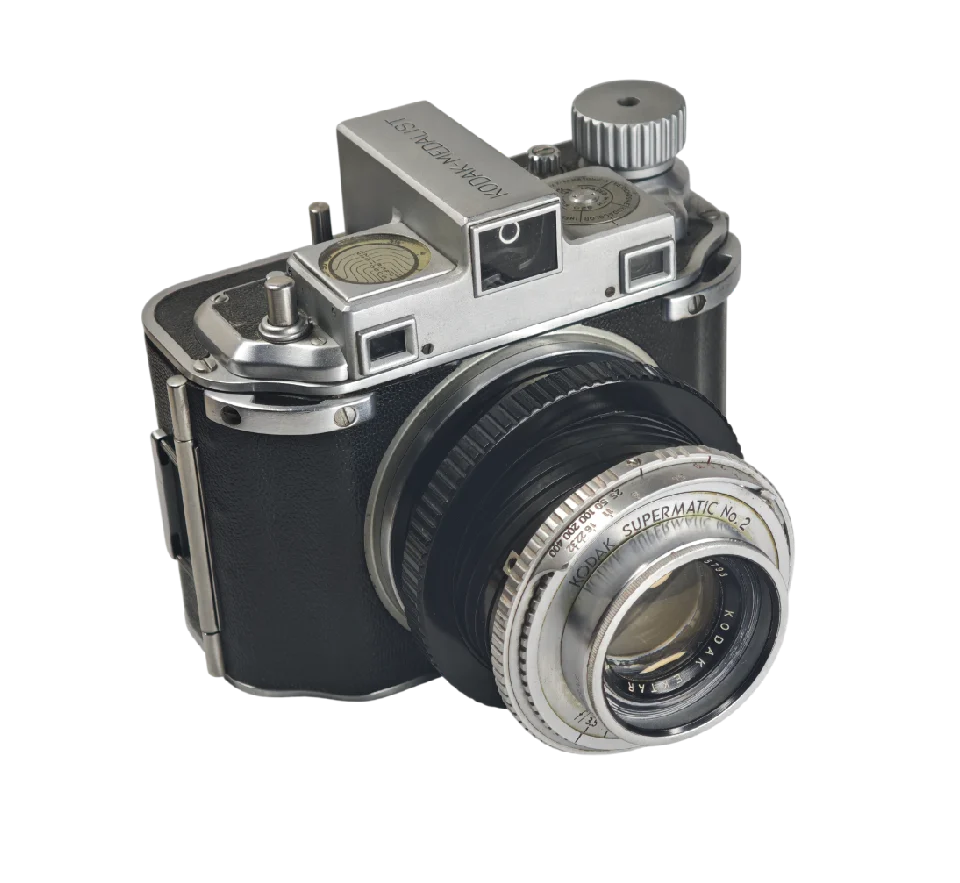
Kodak Medalist I (1941), cámara de la Segunda Guerra Mundial en la colección de Pol
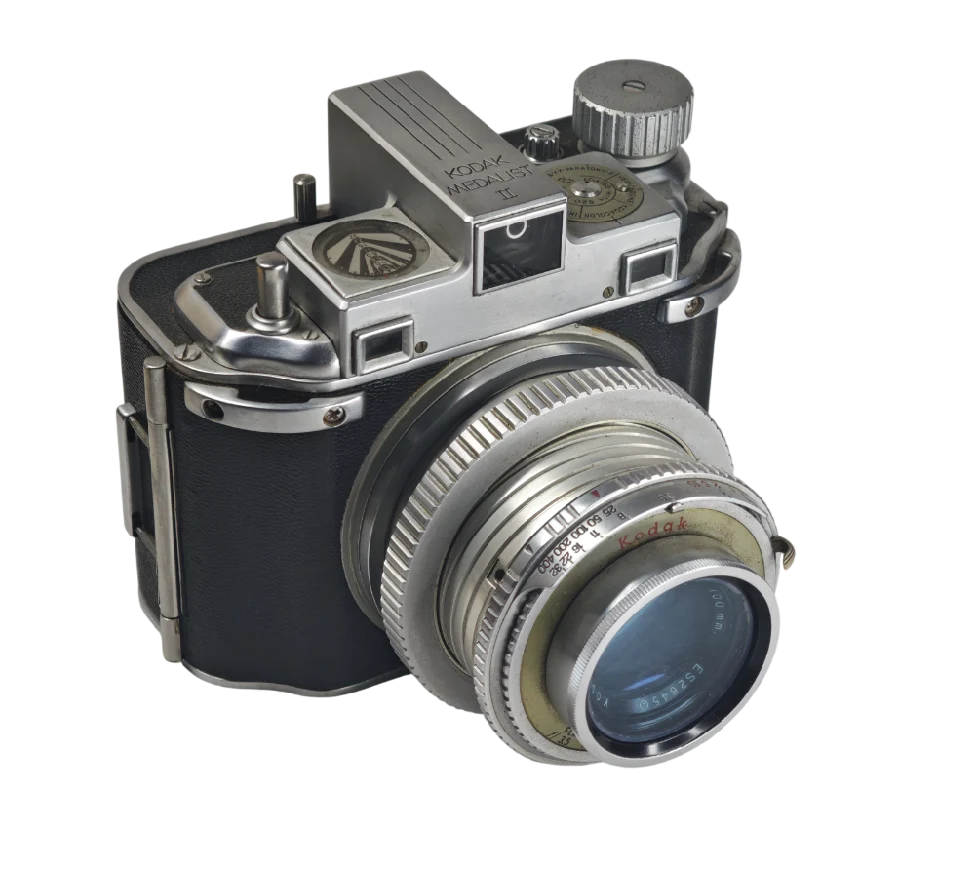
Kodak Medalist II (1946), en la colección de Pol
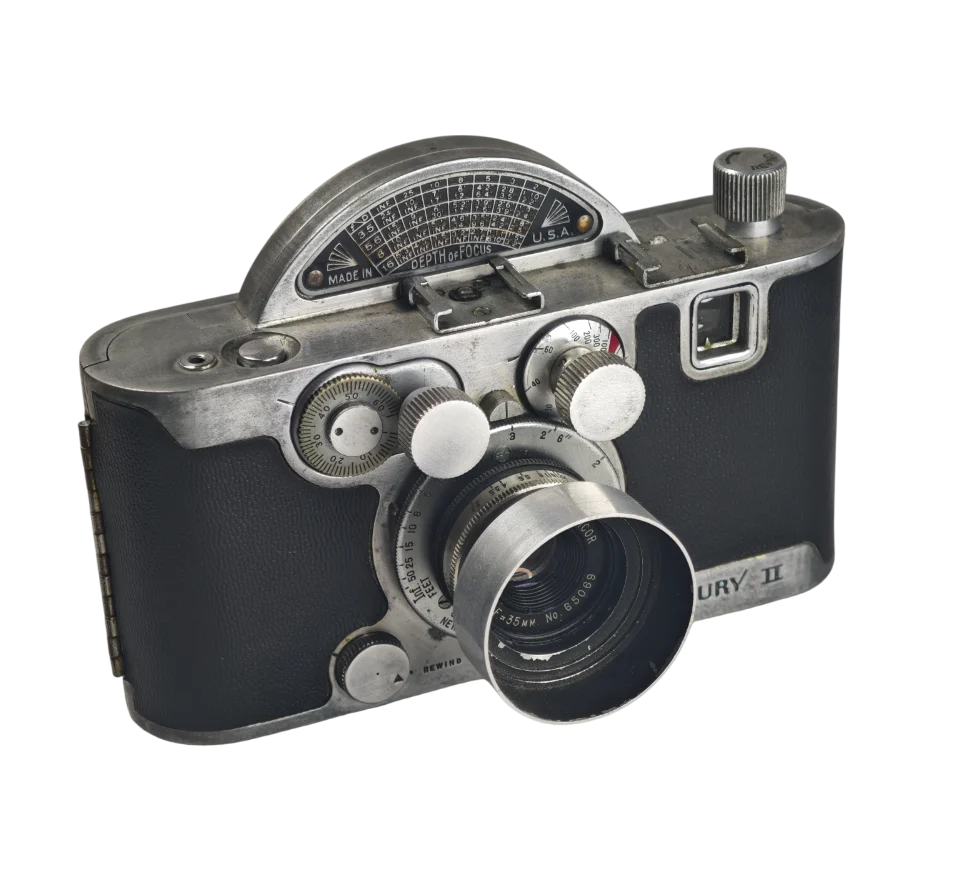
Mercury II (1945), cámara semiformato americana en la colección de Pol
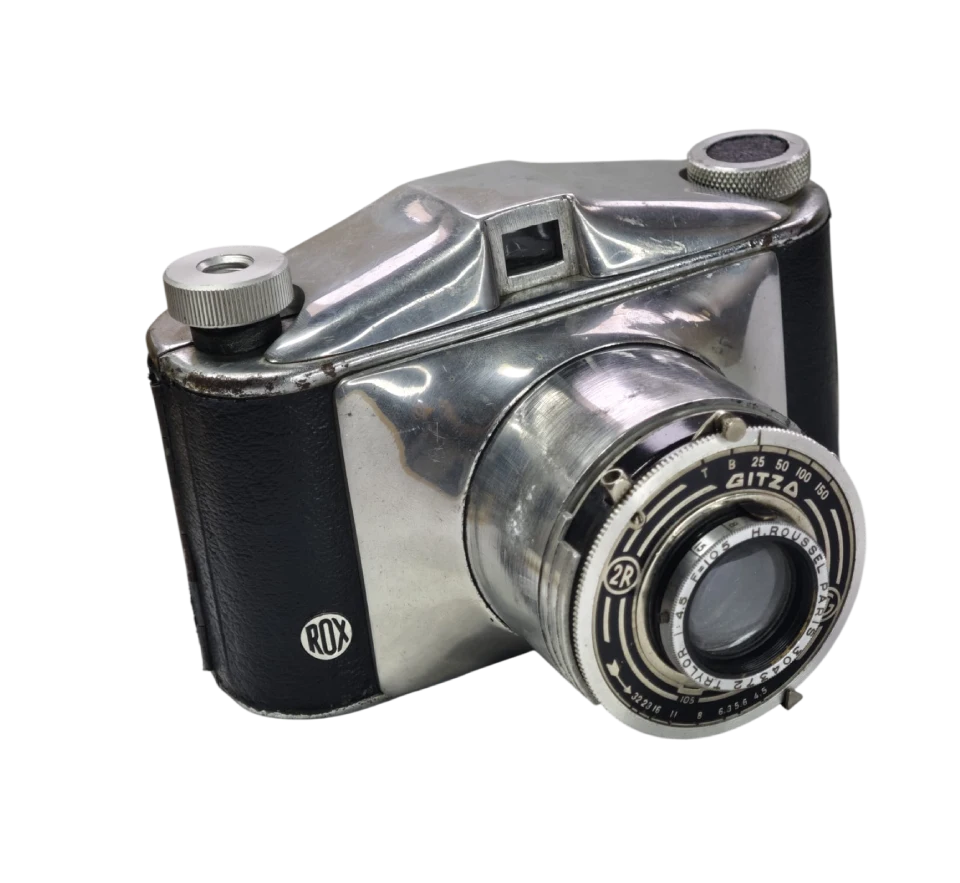
Roche Rox (1948), cámara francesa de aluminio pulido fabricada en Villeurbanne, en la colección de Pol
No, and it is the most expensive mistake in collecting. Age only tells you when it was built; rarity tells you how many survive and how many people want one. There are 1930s cameras made in the hundreds of thousands and 1980s cameras of which two hundred were built.
The relationship between how few were made and how many people want one. It comes down to production run, survival rate (how many are still intact), historical importance, condition, completeness (original lens, cap and case) and how well documented the piece is.
To enjoy. The camera market is small, illiquid and very sensitive to fashion: a piece can take years to find a buyer at the price you think it is worth. If you also enjoy owning and understanding it, the investment has already paid off.
For most pieces, yes: a camera that fires is worth considerably more than the same one broken. The exception is very scarce historical pieces, where what you pay for is rarity and cosmetic condition, not the ability to take photographs.
Insist on photographs of the actual unit and a description that says explicitly what has been tested and what fails. Here every piece is catalogued on the same A+/A/B/C scale and faults are always declared: a rare piece with a declared fault is still a rare piece.
The collection runs to around 400 cameras and not all of them are documented on the site. If you are after something specific, just ask.
The collection is not for sale, but some pieces are. They are published with their history, their graded condition and photographs taken with that very camera.
Free shipping within Spain · 14 days to return it
