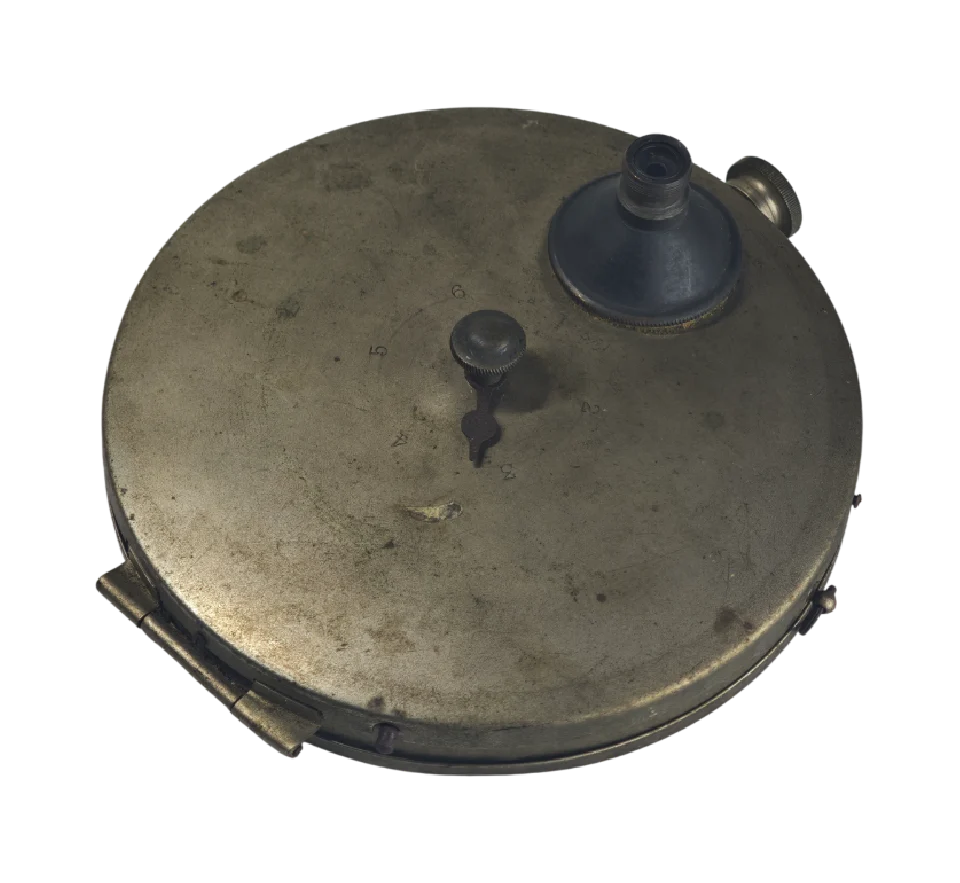
1886/1900
Espía · Alemania
Cámara Espía Stirn (XIX)
Cámara espía Stirn del siglo XIX, camuflada en chaqueta, en la colección de Pol
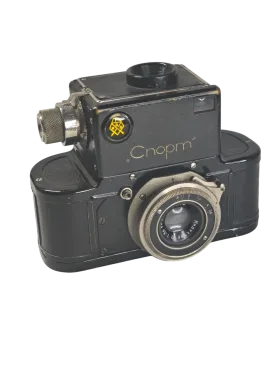 Classic SLRs
Mirror and prism. Canon AE-1, Nikon FE, Olympus OM, Pentax K1000 and the historic GOMZ Sport.
 Compacts (point & shoot)
One body, fixed lens. From classic manuals to the Contax T3 and the Nikon Ti.
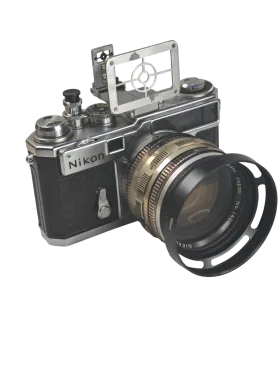 Rangefinders
Focusing by optical triangulation. Leica M, Yashica Electro, Zorki, Nikon SP.
 Accessories & oddities
Glass plates, Hasselblad medium format, Minox spy subminiatures, film.
Tiny formats, watchmaker mechanics. The cameras built not to be seen.
Subminiature cameras use formats far smaller than 35 mm and came out of two very different needs: discretion and portability. They hold the finest mechanics in the whole collection, because fitting all of that into a pocketable object demands watchmaking precision.
5 pieces in this category. The individual pages for each camera are written in Spanish.
Cámara espía Stirn del siglo XIX, camuflada en chaqueta, en la colección de Pol
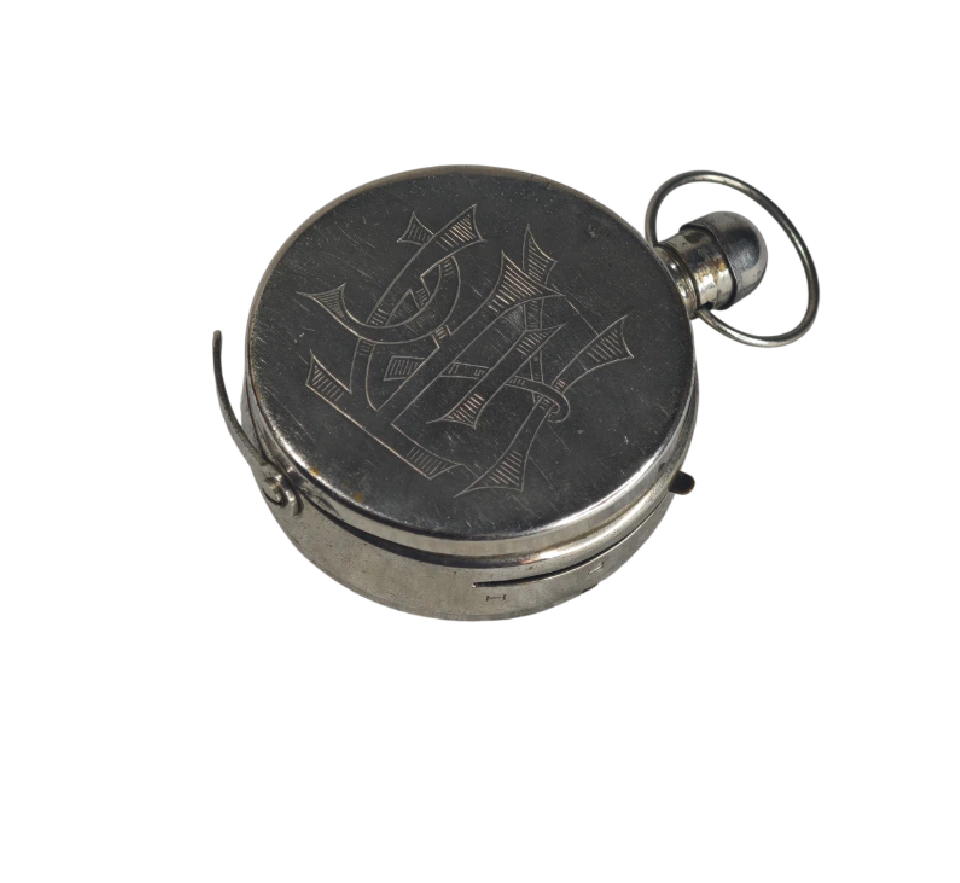
Ticka (1905), la cámara disfrazada de reloj de bolsillo en la colección de Pol
Luzamatic Hit
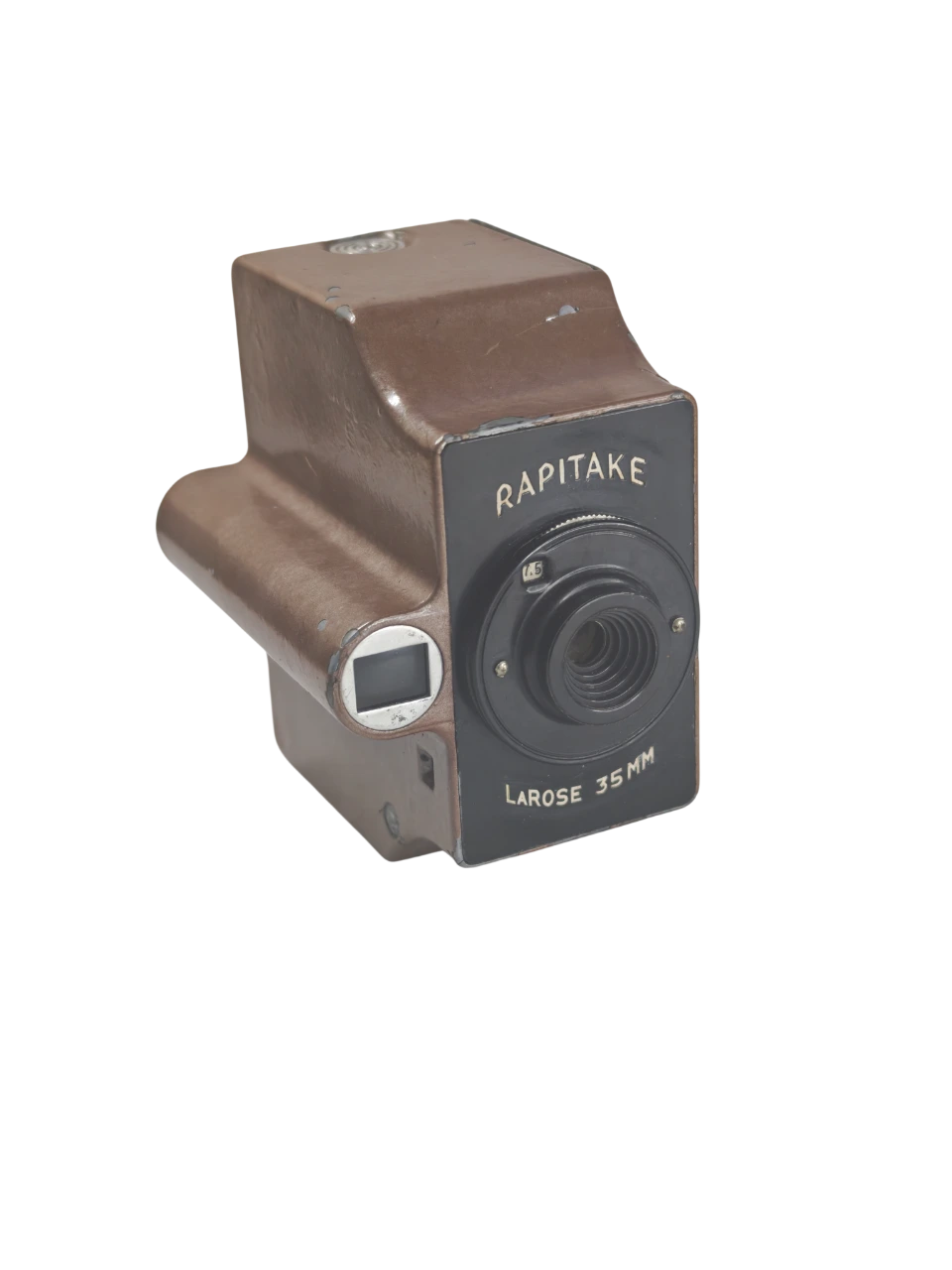
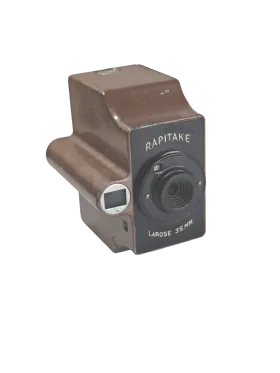
La-Rose Rapitake, prototipo americano de 35mm medio fotograma, 1948, en la colección de Pol
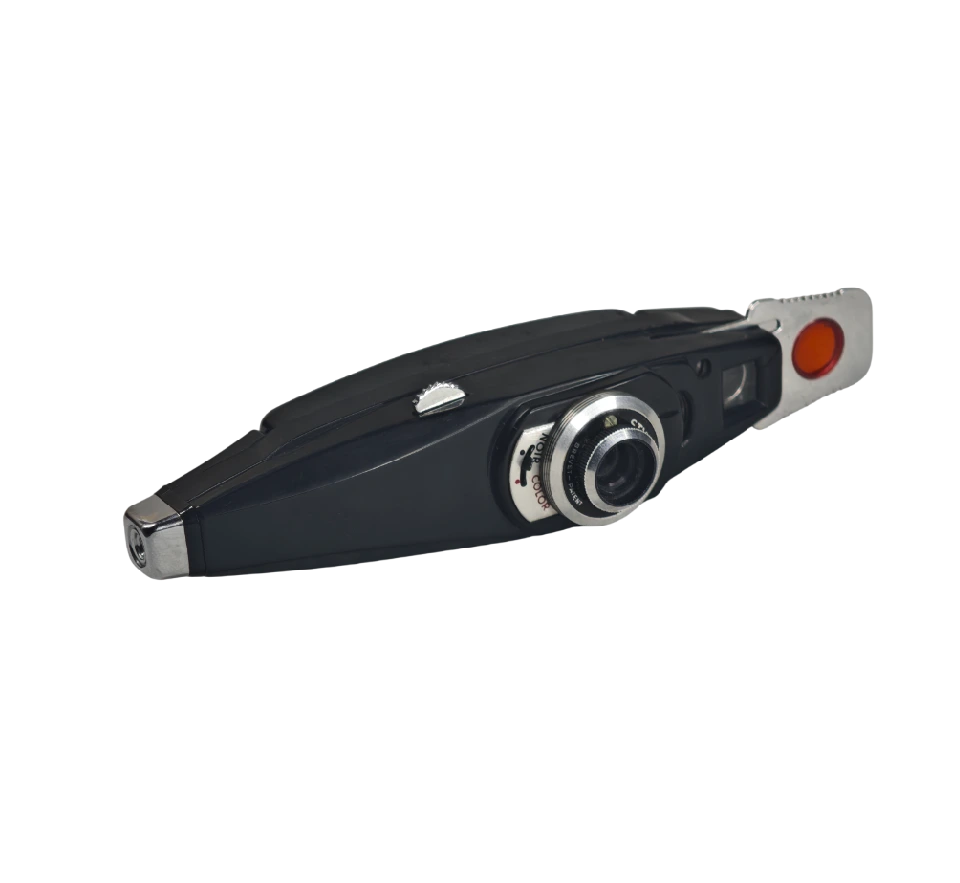
Stylophot, cámara con forma de pluma estilográfica en la colección de Pol
The oldest piece in this group is the Stirn, from the late 19th century: a metal disc worn under a waistcoat with the lens poking through a buttonhole. It was not a toy but the first serious attempt at concealed photography.
The mid-century Minoxes are the famous chapter, thanks to their genuine use in espionage, but the technically interesting part is how they kept optical quality on a negative measuring 8 by 11 millimetres.
The collection is not for sale, but some pieces are. They are published with their history, their graded condition and photographs taken with that very camera.
Free shipping within Spain · 14 days to return it
